Interdisciplinary research addressing climate risk, sustainable supply chains, green technologies, and beyond.
This cluster focuses on transforming traditional linear business models into circular, regenerative systems. Key focus areas include resource efficiency, waste reduction, sustainable supply chains, and product lifecycle management.
Relevance to Saudi Arabia: supports industrial diversification, resource optimization, and environmental sustainability goals.
Evidence-based insights highlighting real-world examples of circular transitions across sectors.
Tailored sustainability and circularity solutions aligned with organizational goals and market realities.
Step-by-step guidance, metrics, and best practices for assessing and planning sustainability journeys.

Advancing adoption of clean energy solutions — solar, wind, and emerging systems — to reduce emissions and strengthen energy resilience.
Guiding organizations to measure, manage, and reduce greenhouse gas emissions with data-driven strategies and net-zero frameworks.
Helping organizations and communities build resilience to climate change impacts — aligned with the Saudi Green Initiative.
Leveraging predictive models and machine learning to uncover inefficiencies, optimize resource use, and support sustainable decision-making.
Integrating digital technologies for urban sustainability — energy, mobility, waste management, and intelligent infrastructure planning.
Creating virtual replicas of physical systems to simulate, optimize, and improve performance — reducing waste and lowering costs. Supports Saudi Arabia's digital transformation ambitions.
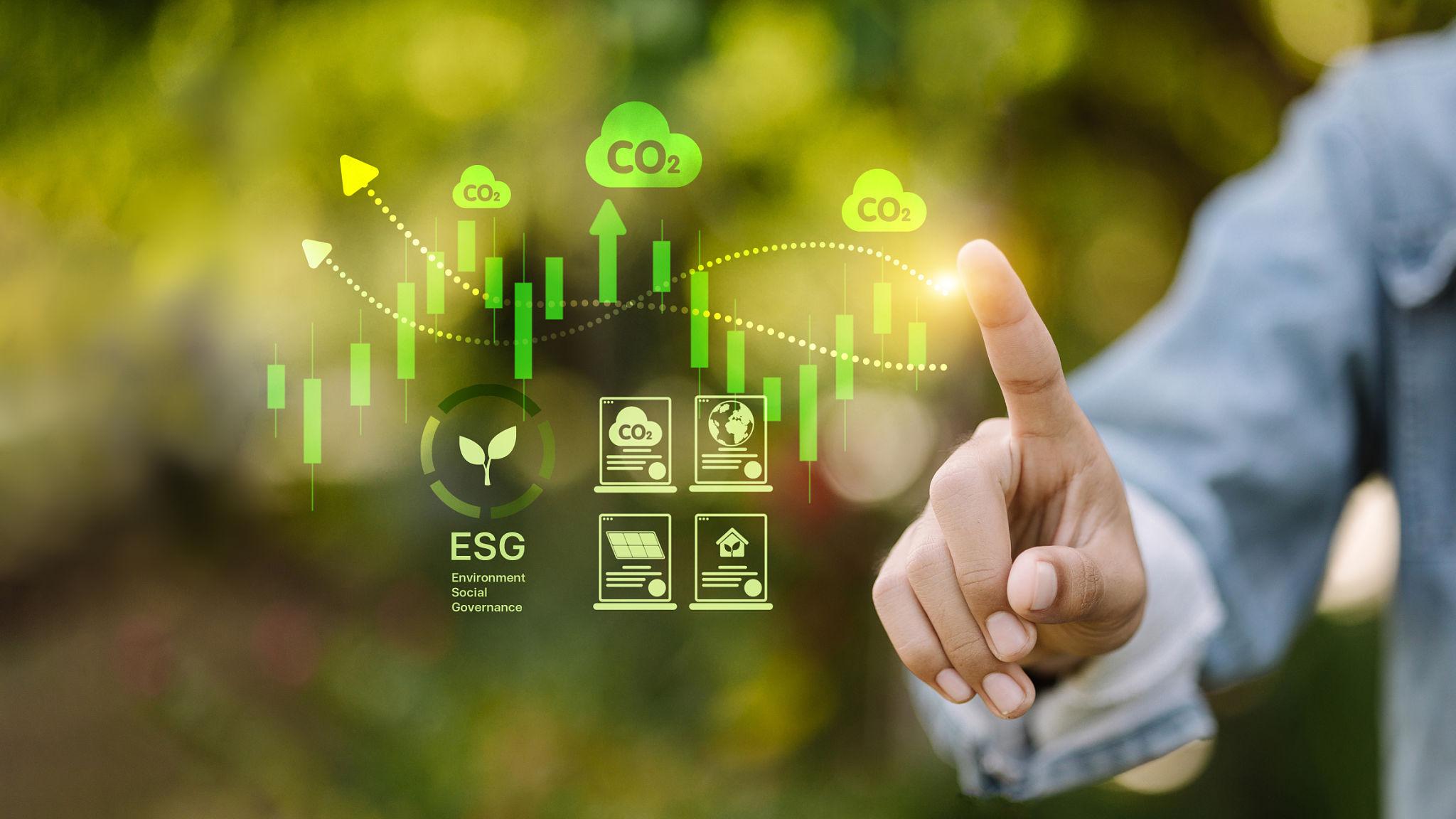
Integrating environmental, social, and governance considerations into core strategies and reporting.
Mobilizing capital through green bonds and sustainable loans toward low-carbon solutions.
Generating measurable social and environmental benefits alongside financial returns. Supports Vision 2030 financial sector development.
Developing evidence-based, forward-looking policies that support sustainability and inclusive development.
Driving creation of solutions that address pressing societal challenges through collaborative approaches.
Ensuring economic development benefits all segments of society — reducing disparities and enhancing social cohesion.
Investigating responsible investing principles with focus on environmental protection, green financing policy, carbon pricing, sustainable performance measurement, and governance. Hundreds of publications inform practice across energy accounting, carbon credits, and emerging green economy areas.
Strategic, managerial, and operational issues around technological change — spanning AI in management, digital strategy, data-driven decision making, e-commerce, machine learning, global supply chains, and international markets.
Competitiveness analysis at firm, sector, and national levels using benchmarking methodologies — covering business analytics, Islamic finance, monetary strategies, international trade, sector microeconomic analysis, forecasting, and systemic risks.
Leveraging AI to enhance targeting and personalization — covering neuromarketing, predictive analytics, social media analytics, conversational AI, brand loyalty, consumer decision-making, and emerging trends in consumer behavior.
Structured collaborations with industry players to co-develop knowledge, solutions, and talent pipelines. Partners align strategic goals and leverage complementary strengths through applied research, internships, and executive education.
Dedicated spaces where multidisciplinary teams experiment with new ideas, technologies, and business models. Rapid prototyping, iterative testing, and creative problem-solving accelerate development of scalable solutions.
Supporting early-stage ventures with mentorship, funding access, technical expertise, and structured guidance. Entrepreneurs refine ideas, validate market demand, and connect with investors through our ecosystem.
ESBR is published by the College of Business Administration, Prince Mohammad Bin Fahd University. It is committed to disseminating impactful and innovative research to a global audience of scholars, practitioners, and policymakers.
The journal employs a stringent double-blind peer-review process, evaluating manuscripts on relevance, originality, methodological rigor, and contribution to the field. It provides immediate open access on the principle that freely available research supports greater global knowledge exchange.
ESBR will be included in major abstracting and indexing databases. Two issues are published annually: January and June.
Submit a Manuscript →Fields include business, social sciences, humanities, health, and education. Emerging and cross-disciplinary topics are also considered. Send submissions to: editor.esbr@pmu.edu.sa
Global Benchmarking & Impact focuses on measuring, comparing, and enhancing performance against leading international standards. It enables organizations and researchers to assess progress using globally recognized metrics and evidence-based frameworks.